
 par
par Chers compatriotes,
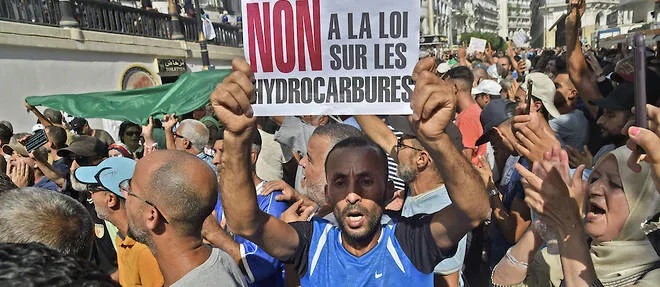
La lettre ci-jointe constitue une mise en garde officielle adressée aux ambassades étrangères ainsi qu’aux entreprises multinationales actives dans le secteur pétrolier et minier en Algérie. Elle rappelle que la nouvelle loi minière, récemment adoptée par un parlement dépourvu de légitimité populaire, engage notre pays contre la volonté souveraine du peuple et au détriment de nos ressources stratégiques, de notre environnement et de l’avenir de nos générations futures.
Nous appelons donc l’ensemble des citoyennes et citoyens algériens, en Algérie comme à l’étranger, à s’approprier cette démarche et à adresser massivement cette lettre aux ambassades concernées et aux sièges des entreprises pétrolières et minières impliquées ou intéressées. Les adresses postales et électroniques de ces institutions seront jointes pour faciliter cette action collective.
Par cette mobilisation pacifique et organisée, nous affirmons devant la communauté internationale que le peuple algérien ne reconnaît pas la légitimité de cette loi ni des contrats qui en découleront, et qu’il reste le seul détenteur de la souveraineté sur ses richesses naturelles.
Lettre aux ambassadeurs et dirigeants d’entreprises :
Subject: Official Warning Regarding Mining Agreements Concluded Under the New Law Adopted in Algeria
To the attention of:
Their Excellencies, the Ambassadors accredited in Algeria,
Ladies and Gentlemen, the Representatives and Leaders of companies operating in the extractive sector.
Excellencies, Ladies and Gentlemen,
We have the honor to address this communication to you concerning the new mining law recently adopted by the Algerian parliament.
This adoption raises a fundamental question of legitimacy: this parliament, born of an electoral process marked by massive abstention and profound popular rejection, does not genuinely represent the sovereign will of the Algerian people. Consequently, the strategic decisions it takes—particularly regarding the exploitation of natural resources—cannot bind the nation in a lasting and irreversible manner.
Beyond this legitimacy deficit, the law itself suffers from serious shortcomings. It paves the way for excessive liberalization of the mining sector, without sufficient safeguards in terms of transparency, public oversight, social accountability, and environmental protection. It also fails to guarantee the consultation of local populations and to safeguard Algeria’s long-term strategic interests.
Even more seriously, this legal framework provides no solid protection against environmental risks associated with certain forms of exploitation. The prospect of unconventional activities, such as shale gas extraction, poses grave threats to fragile ecosystems and to the Albian aquifer. This transboundary aquifer, recognized as a global strategic reserve, is a vital resource for the future of millions of people in the Maghreb and the Sahel. Its contamination would represent an irreversible ecological and human disaster.
In this context, we solemnly recall that all agreements, concessions, and licenses granted under this law will be deemed inconsistent with the sovereign will of the Algerian people and will, in due course, be subject to systematic review. They may be renegotiated, suspended, or annulled once democratic legitimacy has been restored.
This principle is rooted in international law regarding the permanent sovereignty of peoples over their natural resources, as well as in universal standards of good governance, transparency, and environmental responsibility.
We therefore call on partner governments, diplomatic missions, and economic actors to exercise prudence and responsibility. Sustainable economic relations can only thrive on the basis of recognized legality and genuine popular consent. Any contractual commitment concluded under this law, in the absence of legitimacy, will be exposed to serious political, legal, and reputational risks.
Please accept, Excellencies, Ladies and Gentlemen, the assurances of our highest consideration.
Contacts des ambassades et des entreprises minières et pétrolières :